Apricot Market Report 02.03.26
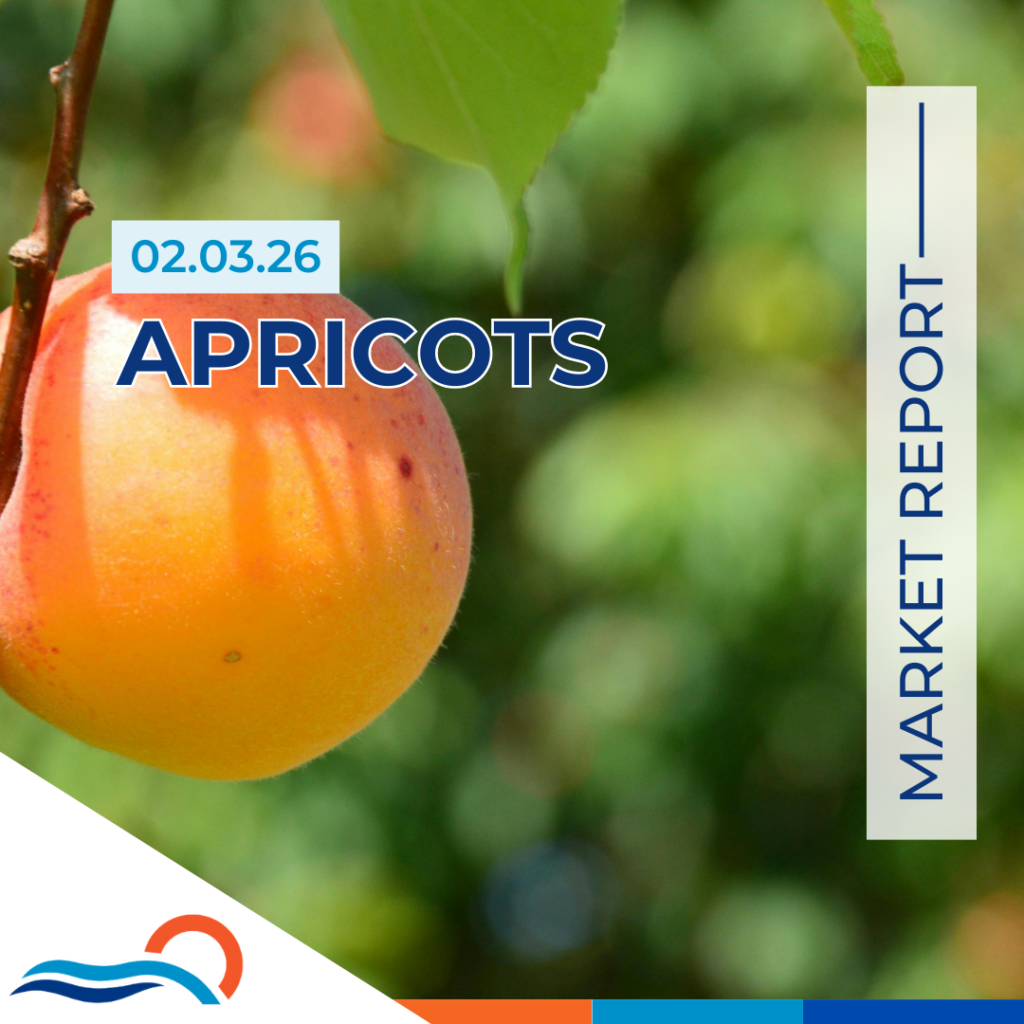
Apricots
As of the third week of February 2026, export volumes of apricots from the 2025 crop reached 19.5 thousand metric tonnes. This represents a substantial decline, standing at roughly 2.8 times lower than the 54.3 thousand metric tonnes exported during the same period of the 2024 season. The stark reduction highlights the ongoing impact of adverse weather and limited raw material availability throughout the current marketing year.
In contrast, the average unit export price has risen sharply. Prices increased by 87.4%, climbing from USD 4,943/mt last year to USD 9,266/mt this season. Weekly, pricing continued its upward trajectory, reaching USD 9,342/mt compared with USD 4,988/mt during the corresponding week of the previous year. This reflects a market struggling to balance significantly reduced supply with sustained, though increasingly price‑sensitive demand.
The severe frost damage experienced during the 2025 harvest season was the main driver behind the initial surge in prices. Limited availability pushed the market sharply upward in the early stages. However, elevated price levels dampened demand over time, encouraging some buyers to switch to alternative origins or reduce procurement volumes. As a result, prices underwent a downward correction as the season progressed, though they remain markedly higher year‑on‑year.
The organic dried apricot segment was disproportionately affected, with frost damage causing a pronounced supply shortage. Organic availability remains extremely limited, and sourcing continues to be challenging for buyers who rely on certified organic products. These constraints are expected to persist until the new‑season supply becomes clearer.
In the conventional market, supply pressure is also evident. Inventories are particularly tight in larger sizes, where shortages are making procurement increasingly difficult across certain calibres. Despite these market constraints, orchard development is progressing well, with current agronomic conditions aligning with typical seasonal norms. This has helped maintain a stable outlook for the upcoming growing cycle, although weather patterns in the months ahead will remain a key factor.